
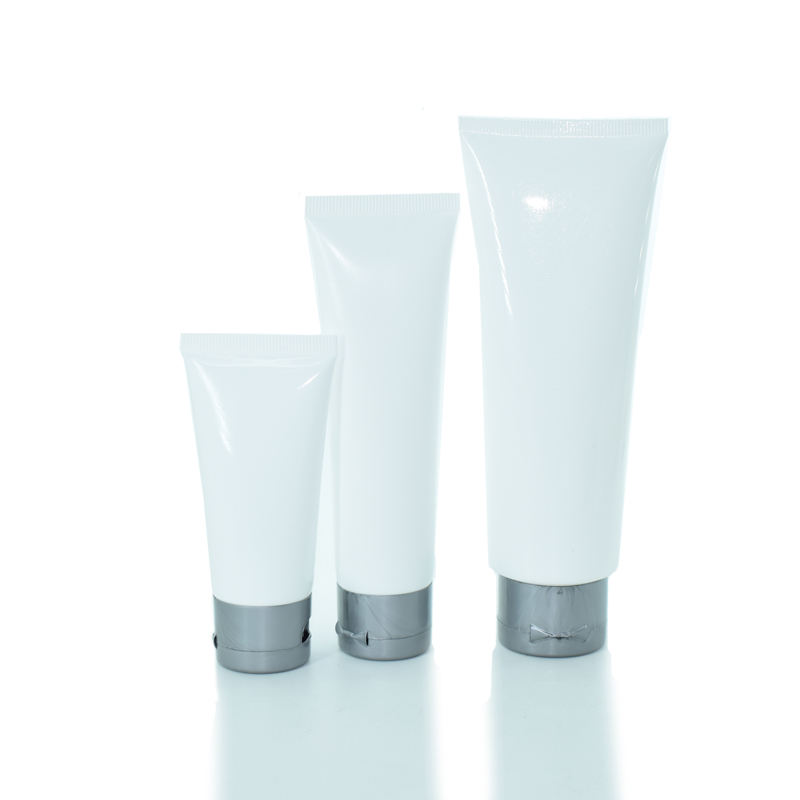
Finding a reliable cosmetic packaging supplier in China is an important step for cosmetic brands, contract manufacturers, distributors, importers, and wholesalers. China has one of the world’s most complete cosmetic packaging supply chains, covering bottles, jars, tubes, airless packaging, pumps, droppers, caps, compacts, perfume bottles, and other beauty packaging components.
For B2B buyers, China offers a combination of competitive manufacturing costs, extensive product selection, flexible customization, and large-scale production capacity. However, choosing the right supplier requires more than comparing unit prices.
A good cosmetic packaging supplier should be able to provide consistent quality, suitable materials, professional decoration, reliable lead times, appropriate MOQs, and stable international supply.
This guide explains how to source cosmetic packaging from China and how to evaluate suppliers before placing bulk orders.
What Is a Cosmetic Packaging Supplier?
A cosmetic packaging supplier provides packaging products used for cosmetics, skincare, personal care, fragrance, and beauty products.
Typical cosmetic packaging products include:
- Cosmetic bottles
- Cosmetic jars
- Cosmetic tubes
- Airless bottles
- Airless jars
- Lotion bottles
- Cream jars
- Serum bottles
- Dropper bottles
- Spray bottles
- Perfume bottles
- Roll-on bottles
- Cosmetic compacts
- Makeup cases
- Lipstick tubes
- Mascara packaging
- Cosmetic pumps
- Lotion pumps
- Treatment pumps
- Fine mist sprayers
- Cosmetic caps
- Closures
- Packaging accessories
A supplier may provide standard stock packaging, customized packaging, or complete OEM/ODM packaging solutions.
For international buyers, it is important to determine whether the supplier is an actual manufacturer, a specialized packaging company, or a trading company representing multiple factories.
Why Source Cosmetic Packaging From China?
China has developed a comprehensive manufacturing ecosystem for cosmetic packaging.
The supply chain covers raw materials, injection molding, glass production, aluminum processing, printing, coating, decoration, pumps, closures, assembly, inspection, and export logistics.
This creates several advantages for international B2B buyers.
Competitive Manufacturing Costs
Large production volumes and mature supply chains allow Chinese manufacturers to produce cosmetic packaging at competitive prices.
The actual cost depends on:
- Material
- Product size
- Capacity
- Mold
- Decoration
- Order quantity
- Packaging method
- Shipping destination
A standard stock bottle can have a significantly lower cost than a fully customized bottle requiring a new mold and special decoration.
Extensive Product Selection
Buyers can source multiple packaging categories from China, including primary packaging and accessories.
This makes China particularly attractive for customers who need multiple packaging components for one cosmetic product line.
Customization
Chinese cosmetic packaging manufacturers commonly support:
- Custom colors
- Custom shapes
- Custom capacities
- Custom caps
- Custom pumps
- Logo printing
- Silk screen printing
- Hot stamping
- UV printing
- Frosting
- Coating
- Metallization
- Special finishes
This allows brands to develop packaging that matches their positioning.
Main Types of Cosmetic Packaging From China
1. Cosmetic Bottles
Cosmetic bottles are among the most widely used packaging products.
Applications include:
- Toner
- Lotion
- Serum
- Shampoo
- Conditioner
- Body wash
- Facial cleanser
- Haircare products
Common materials include:
- Glass
- PET
- HDPE
- PP
- Acrylic
- PCR materials
Different products require different packaging structures.
For example, a premium facial serum may use a glass bottle with a dropper, while a mass-market body wash may use a plastic bottle with a pump.
2. Cosmetic Jars
Cosmetic jars are commonly used for creams and thicker formulations.
Typical applications include:
- Face cream
- Night cream
- Body butter
- Eye cream
- Hair mask
- Scrubs
- Masks
Cosmetic jars can be made from glass, plastic, acrylic, or other materials.
Premium brands often choose double-wall jars, heavy glass, decorative caps, or special surface treatments to create a luxury appearance.
3. Cosmetic Tubes
Cosmetic tubes are lightweight and convenient for consumers.
Common applications include:
- Face wash
- Sunscreen
- Hand cream
- Facial cream
- Body cream
- Hair products
- Makeup products
Popular tube materials include PE, laminated materials, and aluminum.
Tube customization can include:
- Diameter
- Capacity
- Cap
- Printing
- Color
- Surface finish
- Material structure
For large-volume products, tubes can be an economical packaging option.
4. Airless Cosmetic Packaging
Airless packaging has become increasingly popular for skincare products.
Airless bottles and jars use a pump-based dispensing system designed to reduce direct exposure of the formulation to air.
They are commonly used for:
- Serums
- Creams
- Anti-aging products
- Eye creams
- Premium skincare
- Active formulations
Airless packaging can also provide a premium appearance, making it suitable for higher-end cosmetic brands.
5. Dropper Bottles
Dropper packaging is widely used for concentrated skincare products.
Typical applications include:
- Facial serum
- Essential oil products
- Facial oil
- Vitamin formulations
- Cosmetic concentrates
Glass dropper bottles are particularly popular in premium skincare.
A complete dropper package normally consists of:
Bottle + Dropper + Collar + Cap
The dropper must be compatible with the viscosity and formulation of the product.
6. Perfume Packaging
China is also a major source of fragrance packaging.
Products include:
- Perfume bottles
- Fragrance bottles
- Perfume caps
- Atomizers
- Fine mist pumps
- Travel perfume bottles
- Refillable perfume containers
Perfume packaging often requires higher-quality decoration and assembly because appearance plays an important role in fragrance branding.
7. Makeup Packaging
A cosmetic packaging supplier can also provide packaging for color cosmetics.
Typical products include:
- Lipstick tubes
- Lip gloss containers
- Mascara tubes
- Foundation bottles
- Cushion compacts
- Powder compacts
- Blush cases
- Eyeshadow palettes
- Cosmetic pencils
Makeup packaging often requires specialized molds and decoration.
For this reason, buyers should confirm MOQ, tooling costs, and production lead time before starting a custom project.
Cosmetic Packaging Materials
Choosing the right material is one of the most important decisions in cosmetic packaging sourcing.
Glass
Glass is commonly used for premium cosmetic packaging.
Advantages include:
- Premium appearance
- Good chemical resistance
- Excellent transparency
- Strong brand perception
Typical applications include serum bottles, perfume bottles, and premium cream jars.
PET
PET is widely used for cosmetic bottles because it is lightweight and versatile.
It can be used for:
- Lotion
- Shampoo
- Body wash
- Toner
- Cleanser
PP
PP is widely used for caps, jars, tubes, and various cosmetic components.
It offers good chemical resistance and flexibility.
PE
PE is commonly used for squeeze tubes and flexible packaging.
It is particularly suitable for creams, cleansers, and other products requiring squeeze dispensing.
Acrylic
Acrylic packaging is often selected for premium cosmetic products because it can create a glass-like appearance while using plastic construction.
PCR Materials
PCR packaging is becoming increasingly relevant for brands focusing on sustainability.
PCR means Post-Consumer Recycled material.
Buyers should confirm the actual recycled content and supporting documentation instead of relying only on general sustainability claims.
Cosmetic Packaging Customization
One of the major advantages of working with a Chinese supplier is the ability to customize packaging.
Custom Color
Packaging can often be matched to a specific Pantone color or brand color.
This is especially important for companies developing a consistent product line.
Logo Printing
Common printing technologies include:
- Silk screen printing
- Offset printing
- UV printing
- Pad printing
- Hot stamping
Frosting
Glass bottles can be frosted to create a soft, premium appearance.
Hot Stamping
Gold, silver, and other metallic effects can be applied to cosmetic packaging.
This is frequently used for luxury skincare and fragrance packaging.
Custom Mold
If standard packaging does not meet the brand’s requirements, the manufacturer can develop a custom mold.
Custom molding can create:
- Unique bottle shapes
- Custom caps
- Brand-specific jars
- Special cosmetic cases
- Distinctive perfume bottles
However, custom molds require additional investment and typically have higher MOQs.
Standard Cosmetic Packaging vs Custom Packaging
B2B buyers generally have two options.
Standard Packaging
Standard packaging is already available from the supplier.
Advantages include:
- Lower development cost
- Lower MOQ in many cases
- Faster sampling
- Faster production
- Easier replacement
It is often the best option for companies testing a new product or launching a small initial order.
Custom Packaging
Custom packaging is designed specifically for a brand.
Advantages include:
- Stronger brand identity
- Unique appearance
- Better differentiation
- More control over packaging dimensions
However, custom projects normally require:
- Mold development
- Engineering
- Sampling
- Testing
- Higher MOQ
- Longer development time
For many new projects, starting with a high-quality stock package and customizing the decoration can be more efficient than developing a completely new mold.
How to Find a Reliable Cosmetic Packaging Supplier in China
Finding suppliers is relatively easy.
Finding a supplier that can consistently deliver the same quality is more difficult.
When evaluating a supplier, consider the following factors.
1. Product Range
If you need bottles, jars, tubes, pumps, and caps, a supplier with a broad product range can simplify procurement.
However, a very broad catalog does not necessarily mean the company manufactures everything itself.
Ask which products are produced in-house and which are sourced from partner factories.
2. Manufacturing Capability
Ask the supplier about:
- Production facilities
- Production lines
- Equipment
- Monthly capacity
- Quality-control process
- Assembly capability
- Decoration capability
If customization is important, manufacturing capability becomes particularly important.
3. MOQ
MOQ can vary significantly.
Standard stock products may have lower minimum quantities.
Custom products generally require higher quantities because of tooling and production setup.
Always request the MOQ for:
- Bottle
- Cap
- Pump
- Decoration
- Custom color
- Custom mold
Do not assume that one MOQ applies to the complete project.
Cosmetic Packaging Quality Control
Packaging defects can cause serious problems after filling.
A professional supplier should have quality-control procedures throughout production.
Important inspections include:
Dimensional Inspection
Check:
- Height
- Diameter
- Capacity
- Neck dimensions
- Thread dimensions
- Weight
Appearance Inspection
Check for:
- Scratches
- Bubbles
- Color differences
- Deformation
- Surface defects
- Printing defects
Closure Testing
The bottle, pump, cap, or dropper should fit correctly.
Leakage Testing
Leakage testing is essential for liquid and cream products.
Decoration Testing
Printed logos and decorative coatings should have suitable adhesion and durability.
Cosmetic Packaging Compatibility
Cosmetic packaging must be compatible with the actual formulation.
This is often overlooked by inexperienced buyers.
The formulation may contain:
- Oils
- Alcohol
- Essential oils
- Acids
- Active ingredients
- Fragrances
- Solvents
These ingredients may interact differently with glass, PET, PP, PE, or other materials.
Before bulk production, buyers should conduct compatibility testing with the actual cosmetic formulation.
The packaging supplier should be given sufficient information about the product so that appropriate materials and components can be recommended.
Samples Before Bulk Orders
For customized cosmetic packaging, samples should be approved before mass production.
A typical B2B purchasing process is:
Inquiry → Specification → Quotation → Sample → Testing → Artwork Approval → Final Approval → Production → Inspection → Shipment
At the sample stage, verify:
- Capacity
- Dimensions
- Color
- Weight
- Printing
- Pump performance
- Cap fit
- Leakage
- Product dispensing
- Overall appearance
Once approved, retain an approved reference sample for future production.
What Should Be Included in a Cosmetic Packaging RFQ?
To receive an accurate quotation from a Chinese supplier, provide detailed specifications.
For example:
Product: Cosmetic Bottle
Application: Facial Serum
Capacity: 30ml
Material: Glass
Closure: Dropper
Color: Frosted
Decoration: Silk Screen + Hot Stamping
Quantity: 20,000 pcs
Destination: United States
Artwork: Available
If you do not know the technical specifications, send the supplier:
- Product application
- Desired capacity
- Product photos
- Reference packaging
- Target quantity
- Target market
An experienced supplier can then recommend suitable packaging options.
Cosmetic Packaging Manufacturer or Trading Company?
International buyers should understand this distinction.
A manufacturer may provide:
- Direct factory communication
- Production control
- Custom manufacturing
- Factory-level technical support
A trading company or sourcing company may provide:
- Multiple suppliers
- Broader product selection
- Consolidated purchasing
- Export documentation
- Logistics coordination
For buyers purchasing a single packaging product in large quantities, direct manufacturing may be appropriate.
For buyers who need a complete cosmetic packaging solution, a sourcing company capable of managing several factories can sometimes be more efficient.
The important question is not simply whether the supplier is a factory.
The real question is:
Can the supplier reliably deliver the complete packaging specification at the required quality, price, quantity, and lead time?
How Much Does Cosmetic Packaging Cost in China?
There is no universal price for cosmetic packaging.
Pricing depends on:
- Material
- Capacity
- Size
- Weight
- Mold
- Pump
- Cap
- Decoration
- Printing
- Surface treatment
- Order quantity
- Packaging method
A basic stock plastic bottle can be inexpensive, while a heavy glass bottle with a custom mold, premium pump, coating, hot stamping, and complex assembly can be substantially more expensive.
Therefore, B2B buyers should request comparable quotations based on identical specifications.
The cheapest supplier is not necessarily the cheapest supplier after considering:
- Defect rates
- Replacement costs
- Shipping damage
- Production delays
- Quality claims
- Rework
- Communication costs
Total procurement cost is more important than factory unit price alone.
Cosmetic Packaging Supplier Checklist
Before placing an order, buyers should confirm:
Product
- Material
- Capacity
- Dimensions
- Weight
- Color
- Closure
- Pump
- Accessories
Customization
- Logo
- Printing
- Surface finish
- Pantone color
- Decoration
- Custom mold
Commercial Terms
- MOQ
- Sample cost
- Mold cost
- Unit price
- Production lead time
- Payment terms
- Shipping terms
Quality
- Material specifications
- Appearance
- Dimensions
- Closure compatibility
- Leakage testing
- Decoration adhesion
- Batch consistency
Logistics
- Inner packaging
- Carton size
- Carton quantity
- Gross weight
- Loading quantity
- Shipping method
Having these details confirmed before production can substantially reduce the risk of misunderstandings.
How to Build a Long-Term Relationship With a China Cosmetic Packaging Supplier
For recurring B2B procurement, consistency is extremely important.
After approving a packaging product, buyers should maintain a detailed specification sheet covering:
- Material
- Dimensions
- Weight
- Color
- Decoration
- Pump
- Cap
- Packaging
- Tolerances
An approved “golden sample” can also be retained as a reference for future orders.
If the supplier intends to change:
- Raw materials
- Components
- Production processes
- Decoration
- Pump
- Cap
the buyer should be notified before production.
This is especially important for cosmetic brands that reorder the same packaging over multiple years.
Conclusion: Choosing the Right Cosmetic Packaging Supplier in China
China provides international cosmetic companies with a broad ecosystem for sourcing cosmetic packaging, from standard stock bottles and jars to fully customized packaging systems.
The right supplier should offer more than competitive pricing.
You should evaluate:
- Product range
- Manufacturing capability
- Customization
- MOQ
- Quality control
- Material options
- Decoration technology
- Production capacity
- Lead time
- Export experience
- Packaging consistency
- Long-term supply stability
For many B2B buyers, the most efficient approach is to begin with standard packaging, customize the color and decoration, test the package with the actual formulation, and then scale to custom molds when sales volume justifies the additional investment.
Whether you are sourcing cosmetic bottles, cosmetic jars, cosmetic tubes, airless packaging, dropper bottles, perfume packaging, makeup packaging, cosmetic pumps, or custom cosmetic packaging, a professional cosmetic packaging supplier in China can help you build a packaging solution that balances cost, quality, appearance, functionality, and scalability.