
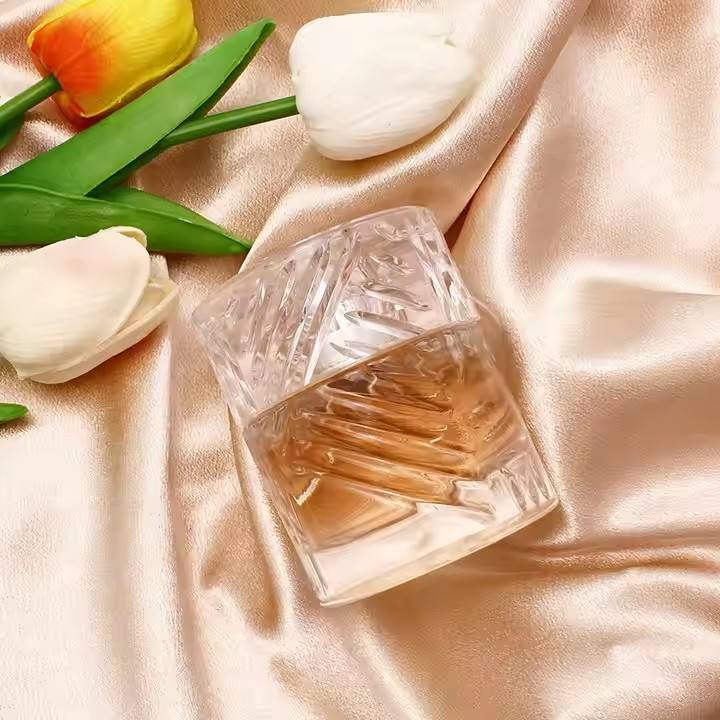
In the fragrance industry, packaging is no longer just a container. A perfume bottle is part of the product identity, brand positioning, and customer experience. For many buyers, the bottle creates the first emotional connection before the fragrance is even tested.
Today, global fragrance brands, private label startups, distributors, and OEM manufacturers are investing heavily in custom perfume bottles to differentiate themselves in an increasingly competitive market. From luxury heavy-base glass bottles to minimalist refillable designs, customization has become one of the most important factors in fragrance branding.
For businesses looking to develop premium fragrance packaging solutions, custom perfume bottles manufacturers provide OEM and ODM services for global perfume brands, cosmetic companies, and packaging distributors.
Why Custom Perfume Bottles Matter in B2B Fragrance Manufacturing
In traditional retail, consumers often purchased perfumes based on brand recognition alone. Today, especially in niche fragrance markets and online sales channels, visual presentation plays a far larger role.
A well-designed bottle helps brands:
- Build stronger shelf presence
- Increase perceived product value
- Support premium pricing strategies
- Improve customer retention
- Strengthen social media visibility
- Differentiate from competitors
The perfume bottle essentially acts as a “silent salesperson” in luxury retail environments.
For B2B buyers, packaging decisions also influence:
- Export safety
- Filling compatibility
- Decoration durability
- Production lead times
- Logistics costs
- MOQ management
- Regulatory compliance
This is why selecting the right custom perfume bottle supplier is critical for long-term brand development.
Types of Custom Perfume Bottles
Different fragrance brands require different packaging strategies. The most common bottle categories include:
Standard Mold Perfume Bottles
These are existing bottle designs already available from manufacturers.
Advantages include:
- Lower MOQ
- Faster production
- Lower tooling costs
- Shorter development cycles
Many startup fragrance brands begin with standard molds while focusing customization on:
- Silk-screen printing
- UV coating
- Frosted finishes
- Hot stamping
- Custom caps
- Packaging boxes
This approach allows faster market entry while maintaining a premium appearance.
Fully Custom Perfume Bottles
Luxury brands often require completely proprietary bottle designs.
This process involves:
- Concept development
- 3D drawing
- Mold engineering
- Prototype sampling
- Decoration testing
- Mass production
Custom molds provide exclusive brand identity and stronger anti-counterfeiting protection. However, they also require:
- Higher tooling investment
- Larger MOQ
- Longer production timelines
Hybrid Customization Strategy
Many successful brands use a hybrid model.
This involves:
- Existing bottle structures
- Fully customized decoration
- Bespoke caps
- Luxury secondary packaging
This strategy balances speed, flexibility, and branding efficiency while avoiding excessive upfront tooling costs.
Popular Materials for Custom Perfume Bottles
Glass Perfume Bottles
Glass remains the dominant material for premium fragrances because of:
- High transparency
- Chemical stability
- Luxury tactile feel
- Excellent compatibility with alcohol-based formulas
- Strong recyclability
Super-flint glass has become increasingly popular for luxury fragrance brands because it minimizes iron content and improves visual clarity.
Heavy glass bases are also commonly used to create a premium hand-feel associated with luxury perfumes.
Aluminum Perfume Bottles
Aluminum bottles are increasingly used for:
- Travel perfumes
- Portable fragrances
- Refillable systems
- Minimalist branding
Advantages include:
- Lightweight construction
- Strong durability
- Modern industrial appearance
Acrylic Components
Acrylic is commonly used for caps and decorative outer shells because it allows:
- Metallic effects
- Transparency
- Complex shapes
- Lower production cost
Decoration Techniques for Custom Perfume Bottles
Bottle decoration plays a major role in brand positioning.
Frosting
Frosted glass creates a soft matte appearance associated with luxury skincare and niche fragrance brands.
Methods include:
- Acid etching
- Sandblasting
Frosting also helps conceal dip tubes for cleaner aesthetics.
Silk Screen Printing
Silk screen printing remains one of the most reliable decoration methods for fragrance packaging because it provides:
- Strong adhesion
- Alcohol resistance
- Long-term durability
- High-volume efficiency
Direct printing also creates a more premium appearance than standard adhesive labels.
Hot Stamping
Hot stamping uses metallic foil to create:
- Gold logos
- Silver finishes
- Reflective accents
This technique is widely used for luxury fragrance collections.
UV Coating
UV coatings help create:
- Gloss finishes
- Gradient colors
- Soft-touch textures
- Matte surfaces
Electroplating
Electroplated caps are often used for luxury perfumes because they create a metallic appearance without the weight and cost of solid metal components.
Sustainability Trends in Perfume Packaging
Sustainability is becoming a major purchasing requirement in global fragrance packaging procurement.
Growing demand includes:
- Refillable perfume systems
- Recyclable glass
- Mono-material packaging
- Reduced plastic usage
- Lightweight bottle engineering
Many premium fragrance brands now position sustainability as part of their luxury identity rather than merely a compliance requirement.
Refillable perfume bottles are especially gaining traction among:
- Luxury fragrance houses
- Eco-conscious beauty brands
- Direct-to-consumer perfume startups
MOQ Considerations for B2B Buyers
Minimum order quantity is one of the most important factors when sourcing custom perfume bottles.
Typical ranges include:
| Product Type | Typical MOQ |
|---|---|
| Standard Bottles | 500–5,000 pcs |
| Customized Decoration | 2,000–10,000 pcs |
| Fully Custom Mold Bottles | 10,000–30,000 pcs |
The actual MOQ depends on:
- Bottle complexity
- Decoration process
- Mold ownership
- Cap structure
- Packaging requirements
Many startups underestimate the production realities of custom molds. Fully custom bottle shapes generally require larger investments and longer timelines.
Quality Control in Perfume Bottle Manufacturing
Packaging defects can seriously damage fragrance brand reputation.
Common issues include:
- Leaking atomizers
- Poor spray performance
- Uneven glass thickness
- Weak coating adhesion
- Color inconsistency
- Cap looseness
- Shipping breakage
Professional B2B buyers should always evaluate:
Glass Consistency
Check for:
- Bubble defects
- Thickness uniformity
- Clarity
- Base symmetry
Pump Compatibility
A premium perfume bottle is only effective if the atomizer system performs consistently.
Poor internal components often create problems even when external decoration appears luxurious.
Decoration Durability
Test resistance against:
- Alcohol exposure
- Scratching
- UV fading
- Temperature changes
Transportation Safety
Export packaging must protect bottles during:
- Ocean freight
- Air shipment
- Warehousing
- Retail distribution
Packaging Integration Beyond the Bottle
Modern fragrance packaging projects often require integrated solutions including:
- Rigid perfume boxes
- Magnetic gift boxes
- EVA inserts
- Paper bags
- Sample kits
- Labels
- Display packaging
Luxury fragrance branding increasingly depends on cohesive packaging ecosystems rather than isolated bottle design.
Many OEM suppliers now provide full-service packaging development to simplify procurement for fragrance brands.
Global Trends in Custom Perfume Bottle Design
Several trends are shaping the perfume packaging industry in 2026:
Minimalist Luxury
Clean geometric bottles with understated branding are replacing overly ornate designs.
Heavy Base Bottles
Consumers strongly associate bottle weight with product value.
Personalized Packaging
Digital decoration technologies now allow:
- Variable artwork
- Personalized names
- Limited editions
- Regional customization
Small Portable Formats
20ml and travel-size perfumes are increasingly popular in:
- E-commerce
- Gift sets
- Subscription boxes
- Seasonal launches
Refillable Systems
Refillable luxury perfume systems are expected to grow significantly as sustainability regulations tighten globally.
Choosing the Right Custom Perfume Bottle Supplier
When evaluating suppliers, professional buyers should assess:
Manufacturing Capability
Check whether the supplier supports:
- Mold development
- Decoration
- Assembly
- Packaging integration
- Export logistics
Experience in Fragrance Packaging
Perfume packaging requires specialized expertise because fragrance formulas contain high alcohol concentrations that can affect materials and coatings.
Communication Efficiency
Strong project management is critical for:
- Artwork approvals
- Sampling
- Color matching
- Production scheduling
Quality Systems
Look for:
- QC documentation
- Material testing
- Compatibility testing
- Leak testing
- Batch consistency
Long-Term Scalability
A supplier should support both:
- Small launch projects
- Large-scale global production
Conclusion
Custom perfume bottles have become one of the most important competitive tools in the global fragrance industry. Beyond aesthetics, they influence branding, sustainability positioning, logistics performance, and customer perception.
Whether launching a niche fragrance startup or scaling an established luxury perfume line, selecting the right packaging strategy is essential for long-term market success.
Today’s B2B buyers increasingly prioritize:
- Premium appearance
- Functional reliability
- Sustainable materials
- OEM flexibility
- Faster lead times
- Integrated packaging solutions
For fragrance brands, distributors, and OEM buyers seeking professional packaging development solutions, partnering with an experienced custom perfume bottles manufacturer can help accelerate product development, improve packaging quality, and strengthen global brand competitiveness.